Last Sunday was the Feast of the Holy Family of Jesus, Mary, and Joseph. As a fairly new Catholic husband and father, I've quickly developed a burgeoning interest in this devotion, but it's been a piecemeal conversion - first, I had to accept Jesus Christ as my Lord and Savior who died on the cross for my sins, opening up eternal life through his glorious Resurrection. Not an easy undertaking for a former militant atheist awash in what St. John Paul II dubbed "the culture of death." But once I was able to acknowledge the reality of God, it wasn't a huge leap to get from Creator to God-man - after all, why would an all-powerful spirit be limited to being some distant deity in the abstract? If he was truly all-powerful, he would be able to manifest himself in whatever way he saw fit. Of course, there was the problem of "why a sacrifice?" But that's a topic for another post...
Second, there was Mary. Growing up as the son of a Methodist minister, Mary only really showed up around Christmas time. My first introduction to the Holy Family was in the Nativity scene my parents would set up in front of the Christmas tree. Mary was there with Joseph and baby Jesus, but she would disappear back into storage for 11 months until the next Christmas rolled around. My next real encounter with Mary came many years into adulthood: after a misspent youth of poor choices that resulted in a debilitating illness and a turning away from sin and towards the light, I remember coming across Michelangelo's Pietà. In this striking sculpture, Mother Mary is seen holding the lifeless body of her son Jesus, who has just been taken down from the cross. I was able to see myself in her arms too, as God worked within my body and soul to slowly bring me back to life. Around this time, I also discovered the Holy Rosary, which introduced me to a regular routine of prayer and meditation.
And St. Joseph, well... I read Fr. Calloway's Consecration to St. Joseph during the Year of St. Joseph shortly after my reception into the Catholic Church in 2020, but it wasn't until I married my wife, Ana, in 2023 that I really began to relate to St. Joseph and seek to consciously mimic his virtues as protector, hard worker, and chaste spouse. I am still only beginning to discover the riches of devotion to this great Saint.
So step-by-step, I began to incorporate all three members of the Holy Family into my life of faith. It took the birth of my daughter and a trip to Peru for the pieces to finally start to coming together. "La Sagrada Familia" was everywhere in Peru! My wife's grandfather had a massive painting of Phillipe de Champaigne's The Holy Family in his den (my wife will contest this and say it's Diego Valesquez's Coronation of the Virgin, but I stand by my memory over her lifetime of growing up in her grandfather's apartment - foolish on multiple counts, I know). The park across the street from her family's apartment in Lima was named the Holy Family Park. Here was a culture infused with the Catholic faith - you couldn't throw a rock without hitting a historic Spanish cathedral or a wandering friar.
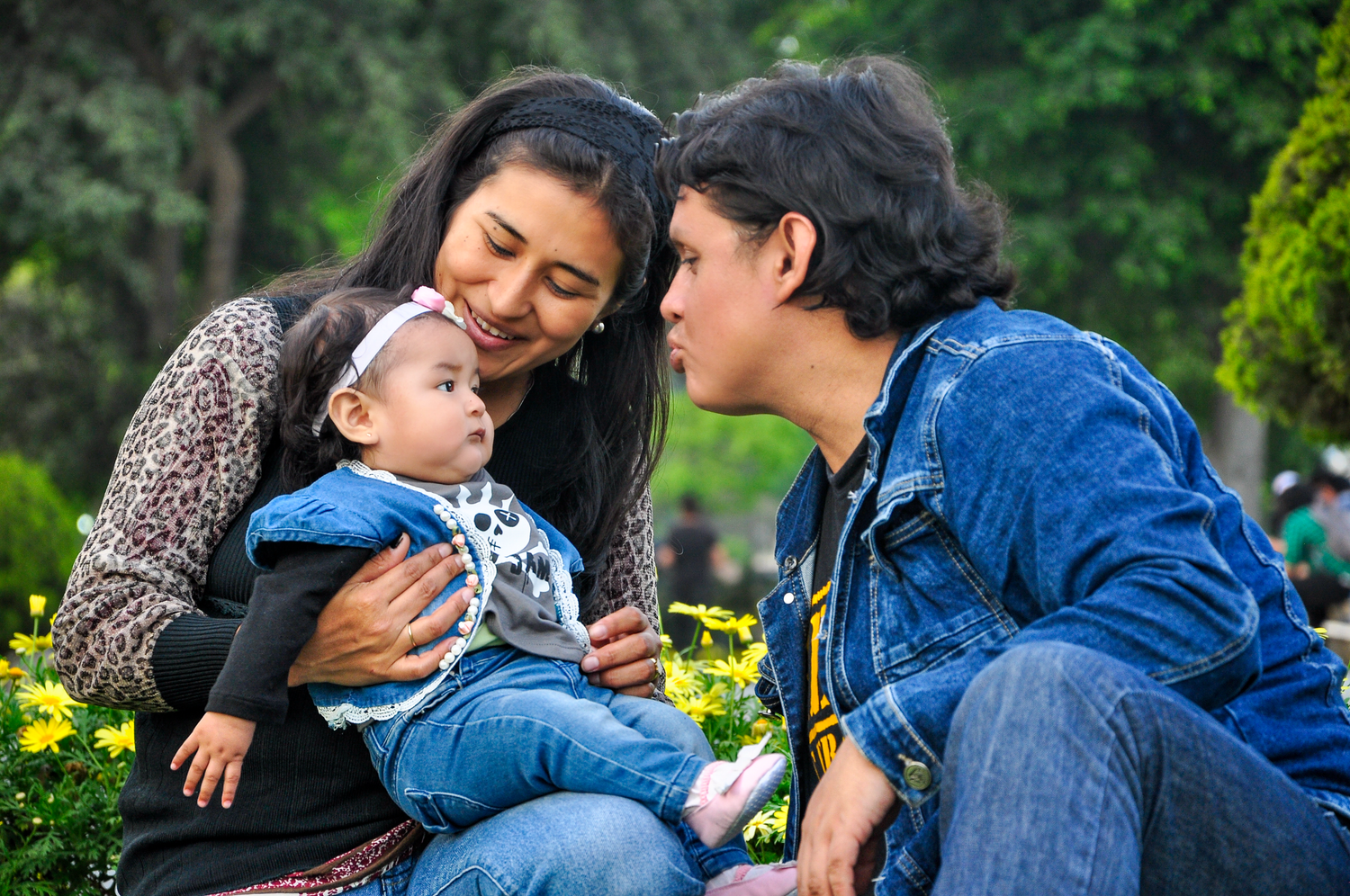
As I soaked in this strange new world, I was also acclimating to parenthood. My daughter, Tracy Luz, was almost a year old at the time and the demands of being a present and active father were making themselves known through smelly diapers and sleep deprivation. It would be nice if marriage and parenthood were accompanied by a sudden metanoia, like St. Paul getting knocked off his horse in Caravaggio's Conversion on the Way to Damascus, but conversion is typically a slow and painful process (at least for me). While I had shed much of the frivolous nonsense of boyhood prior to meeting my beautiful wife, I had replaced it with an obsession with worldly and financial success. This was in part due to the influences of Jordan Peterson, who had played a major part for me in bridging the psychological language of modernity with the stories of the Bible (if you haven't seen his series on Genesis and are on the fence about Christianity, stop reading and look it up on YouTube). However, packaged within his brilliant Jungian analysis of Scripture is a kind of Pelagian self-reliance that doesn't leave a lot of room for God. Don't get me wrong - I'm a big fan of Peterson and have also enjoyed his series on the Gospels, but I think Paul Kingsnorth identified his blind spot perfectly in his comments on Peterson's "Message to a Christian Church" at the 2024 Erasmus Lecture (another great watch on YouTube). In short, there is no mention of God the Father, the Son, or the Holy Spirit in all of Peterson's solution to the present-day collapse of Western Civilization.
But it would be unfair to lay the responsibility for my worldly obsessions at Peterson's feet - or anyone else's for that matter. To steal from Disney, it's a "tale as old as time." Man replaces God, the source of his existence and provider of all good things, with sin. Long before I encountered any ideologies enshrining worldly power and success as the ultimate goal, my crosshairs were already searching for the wrong target. It's almost as if I was born with an insatiable hunger that needed to be filled with God but had me grasping after what St. Thomas Aquinas identified as the four substitutes for God - pleasure, power, honor, and wealth. In my own blindness inherited from Original Sin, I couldn't see that I was sitting the wrong things on the throne of my heart instead of the One who gave me that heart in the first place. And so, though I had become Catholic and was actively involved in parish life, I had made idols out of busy-ness and doing and accomplishment and the success that comes with achieving. Deprived of "atta boys" and pats on the back from my own broken relationships, I hungered from a place of woundedness to receive that validation from others, not realizing that it was a well that would never be filled by this world. It was only in recognizing my identity as a child of God made in his image and likeness - the imago Dei - that I began to understand my real value and worth and turn to the inexhaustible fountain, the living water of Christ.
When my daughter was born, there was a moment when I held her in the operating room with my wife and her little eyes opened up and looked up at me. In that moment, my heart was filled with such an unbelievably powerful love that my whole body and soul were infused with an inexpressibly infinite joy. Here in my hands was this perfect little creation and there was no question that I would love her and provide for her and do whatever it took to ensure she knew that her father is pleased that she is a part of our family. Now, sometimes she may not understand my corrections or why she can't eat napkins or walk in traffic, but just because it is a mystery to her it does not diminish the love that motivates me to set her on the right path. I like to think that God sees us in the same way, and though life is full of suffering and confusion at times, there is a greater purpose that you and I don't understand, and ultimately He allows it because He loves us. As we are made in His image, He wants to direct us towards Him so that we can leave behind a life of darkness and live in His light.
All this to say, it took becoming Catholic to steer away from the destruction of this modern culture and its excesses and begin to align with the true, the good, and the beautiful. It took getting married and starting a family to see the imago Dei in my daughter and then in myself. God as one-in-three persons - Father, Son, and Holy Spirit - is relationship. Made in His image, we are called outside of ourselves to be in relationship with others. But how can we accomplish this daunting task when we are more connected than we have ever been in history, yet suffering from a pandemic of loneliness?
Thankfully, Jesus, Mary, and Joseph gave us the blueprint - in these often troubling and confusing times, look to the Holy Family for the answer. As St. Teresa of Calcutta said, "If you want to bring happiness to the whole world, go home and love your family."
In Christ,
Curtis
El domingo pasado se celebró la Fiesta de la Sagrada Familia de Jesús, María y José. Como esposo y padre católico relativamente nuevo, he desarrollado rápidamente un interés en esta devoción, pero mi conversión ha sido gradual: primero, tuve que aceptar a Jesucristo como mi Señor y Salvador, quien murió en la cruz por mis pecados, abriéndome el camino a la vida eterna a través de su gloriosa Resurrección. No fue una tarea fácil para un ex ateo militante inmerso en lo que San Juan Pablo II denominó "la cultura de la muerte". Pero una vez que pude reconocer la realidad de Dios, no fue un gran salto pasar del Creador al Dios-hombre; después de todo, ¿por qué un espíritu todopoderoso se limitaría a ser una deidad distante y abstracta? Si era verdaderamente todopoderoso, podría manifestarse de la manera que considerara oportuna. Claro que quedaba la cuestión de "¿por qué un sacrificio?". Pero ese es un tema para otra ocasión...
En segundo lugar, estaba María. Habiendo crecido como hijo de un pastor metodista, solo veía a María en la época navideña. Mi primer contacto con la Sagrada Familia fue a través del belén que mis padres montaban delante del árbol de Navidad. Allí estaba María con José y el Niño Jesús, pero luego desaparecía, guardada en un armario durante once meses, hasta que llegaba la siguiente Navidad. Mi siguiente encuentro significativo con María ocurrió muchos años después, en la edad adulta: tras una juventud descarriada, marcada por malas decisiones que me llevaron a una enfermedad debilitante y a un alejamiento del pecado para acercarme a la luz, recuerdo haberme encontrado con la Piedad de Miguel Ángel. En esta impactante escultura, la Virgen María sostiene el cuerpo sin vida de su hijo Jesús, recién bajado de la cruz. Pude verme a mí mismo también en sus brazos, mientras Dios obraba en mi cuerpo y alma para devolverme lentamente a la vida. Por esa misma época, descubrí el Santo Rosario, que me introdujo en una rutina regular de oración y meditación.
Y San José, bueno... leí la Consagración a San José del Padre Calloway durante el Año de San José, poco después de mi ingreso a la Iglesia Católica en 2020, pero no fue hasta que me casé con mi esposa, Ana, en 2023, que realmente comencé a sentirme identificado con San José y a intentar imitar conscientemente sus virtudes como protector, trabajador incansable y esposo casto. Todavía estoy empezando a descubrir las riquezas de la devoción a este gran santo.
Así, paso a paso, comencé a incorporar a los tres miembros de la Sagrada Familia a mi vida de fe. Fue necesario el nacimiento de mi hija y un viaje a Perú para que las piezas finalmente empezaran a encajar. ¡La Sagrada Familia estaba por todas partes en Perú! El abuelo de mi esposa tenía un enorme cuadro de La Sagrada Familia de Philippe de Champaigne en su estudio (mi esposa lo negará y dirá que es La Coronación de la Virgen de Diego Velázquez, pero yo me fío más de mi memoria que de sus recuerdos de toda una vida viviendo en el apartamento de su abuelo; lo sé, es una tontería por muchos motivos). El parque que estaba enfrente del apartamento de su familia en Lima se llamaba Parque de la Sagrada Familia. Era una cultura impregnada de la fe católica: no podías dar un paso sin encontrarte con una histórica catedral española o un fraile deambulando por la calle.
Mientras me sumergía en este extraño mundo nuevo, también me adaptaba a la paternidad. Mi hija, Tracy Luz, tenía casi un año en ese entonces, y las exigencias de ser un padre presente y activo se manifestaban a través de pañales sucios y falta de sueño. Sería ideal que el matrimonio y la paternidad vinieran acompañados de una metanoia repentina, como la de San Pablo al ser derribado de su caballo en la Conversión camino a Damasco de Caravaggio, pero la conversión suele ser un proceso lento y doloroso (al menos para mí). Si bien me había despojado de muchas de las frivolidades de la adolescencia antes de conocer a mi hermosa esposa, las había reemplazado por una obsesión con el éxito mundano y financiero. Esto se debía en parte a la influencia de Jordan Peterson, quien fue fundamental para mí al tender un puente entre el lenguaje psicológico de la modernidad y las historias de la Biblia (si no han visto su serie sobre el Génesis y tienen dudas sobre el cristianismo, dejen de leer y búsquenla en YouTube). Sin embargo, dentro de su brillante análisis junguiano de las Escrituras, se esconde una especie de autosuficiencia pelagiana que no deja mucho espacio para Dios. No me malinterpreten, soy un gran admirador de Peterson y también disfruté de su serie sobre los Evangelios, pero creo que Paul Kingsnorth identificó su punto ciego a la perfección en sus comentarios sobre el "Mensaje a una Iglesia Cristiana" de Peterson en la Conferencia Erasmus de 2024 (otra excelente conferencia que pueden encontrar en YouTube). En resumen, no hay mención de Dios Padre, del Hijo ni del Espíritu Santo en toda la solución que Peterson propone para el colapso actual de la civilización occidental.
Pero sería injusto culpar a Peterson —o a cualquier otra persona— de mis obsesiones mundanas. Parafraseando a Disney, es una historia tan antigua como el tiempo. El hombre reemplaza a Dios, la fuente de su existencia y proveedor de todo bien, con el pecado. Mucho antes de que me encontrara con ideologías que ensalzaban el poder y el éxito mundano como meta final, mis objetivos ya estaban mal dirigidos. Es casi como si hubiera nacido con un hambre insaciable que debía ser saciada por Dios, pero que me llevaba a buscar lo que Santo Tomás de Aquino identificó como los cuatro sustitutos de Dios: el placer, el poder, el honor y la riqueza. En mi propia ceguera, heredada del pecado original, no podía ver que estaba colocando las cosas equivocadas en el trono de mi corazón, en lugar de Aquel que me dio ese corazón en primer lugar. Y así, aunque me había convertido al catolicismo y participaba activamente en la vida parroquial, había convertido en ídolos la actividad frenética, el hacer, los logros y el éxito que conlleva alcanzarlos. Privado de elogios y reconocimientos en mis relaciones personales, anhelaba, desde mi herida interior, recibir esa validación de los demás, sin darme cuenta de que era un pozo que jamás podría ser llenado por este mundo. Fue solo al reconocer mi identidad como hijo de Dios, creado a su imagen y semejanza —la imago Dei—, que comencé a comprender mi verdadero valor y a recurrir a la fuente inagotable, el agua viva de Cristo.
Cuando nació mi hija, hubo un momento en el quirófano, mientras la sostenía en brazos junto a mi esposa, en que sus pequeños ojos se abrieron y me miraron. En ese instante, mi corazón se llenó de un amor tan increíblemente poderoso que todo mi ser se inundó de una alegría infinita e indescriptible. En mis manos tenía a esta pequeña criatura perfecta, y no cabía duda de que la amaría, la cuidaría y haría todo lo necesario para que supiera que su padre está feliz de que forme parte de nuestra familia. Ahora, a veces quizás no entienda mis correcciones o por qué no puede comer servilletas ni caminar en medio del tráfico, pero el hecho de que sea un misterio para ella no disminuye el amor que me impulsa a guiarla por el buen camino. Me gusta pensar que Dios nos ve de la misma manera, y aunque la vida esté llena de sufrimiento y confusión a veces, existe un propósito mayor que tú y yo no comprendemos, y en última instancia, Él lo permite porque nos ama. Como estamos hechos a Su imagen, Él quiere guiarnos hacia Él para que podamos dejar atrás una vida de oscuridad y vivir en su luz.
En resumen, fue necesario convertirme al catolicismo para alejarme de la destrucción de esta cultura moderna y sus excesos, y comenzar a alinearme con lo verdadero, lo bueno y lo bello. Fue necesario casarme y formar una familia para ver la imagen de Dios en mi hija y luego en mí mismo. Dios, como una sola esencia en tres personas —Padre, Hijo y Espíritu Santo— es relación. Creados a su imagen, estamos llamados a salir de nosotros mismos para estar en relación con los demás. Pero, ¿cómo podemos lograr esta ardua tarea cuando estamos más conectados que nunca en la historia, y sin embargo, sufrimos una pandemia de soledad?
Afortunadamente, Jesús, María y José nos dieron el ejemplo: en estos tiempos a menudo difíciles y confusos, busquemos la respuesta en la Sagrada Familia. Como dijo Santa Teresa de Calcuta: "Si quieres llevar la felicidad al mundo entero, ve a casa y ama a tu familia".
En Cristo,
Curtis